Departments
Samhita and Siddhantha
This department deals with all the fundamental principles of Ayurveda. Sanskrit is the Language used to explain the message of its eternity and relevance in both healthy and unhealthy individuals. This is conveyed to the students and curious scholars to have glimpse of truth in our indigenous system of medicine.
Samhita Samskrita and Siddhanta department induce and nurture the BAMS students profess them with Ashtangahridayam, Ayurveda Ithihaasa, Padartha Vijnana, Sanskrit, Charaka Samhita Purvaardham and Charaka Samhita Uttaraardham etc.
- Sanskrit is the key to Ayurveda to understand the aim and theme of Ayurveda, preserved in ancient texts, students should have a good command in Sanskrit language. So it is included in the First year of BAMS.
- Padartha Vijnan is the radical part of the Ayurveda which incorporates the Indian philosophy and the elementary parts of its knowledge.
- Ayurveda is a system of medicine with historical roots in the Indian Subcontinent. So a study of the history of Ayurveda reveals its past and the present level of development.
- Ashtanga Hridayam Soothrasthanam deals with the principles of Ayurveda explained in a more easy and understandable method for three intellectual classes of student.
- Charaka Samhitha is a text of excellence in treatment. Fundamentals of Ayurveda, its approach to life and disease has essentially to take resort to the study of this text.
Faculty:
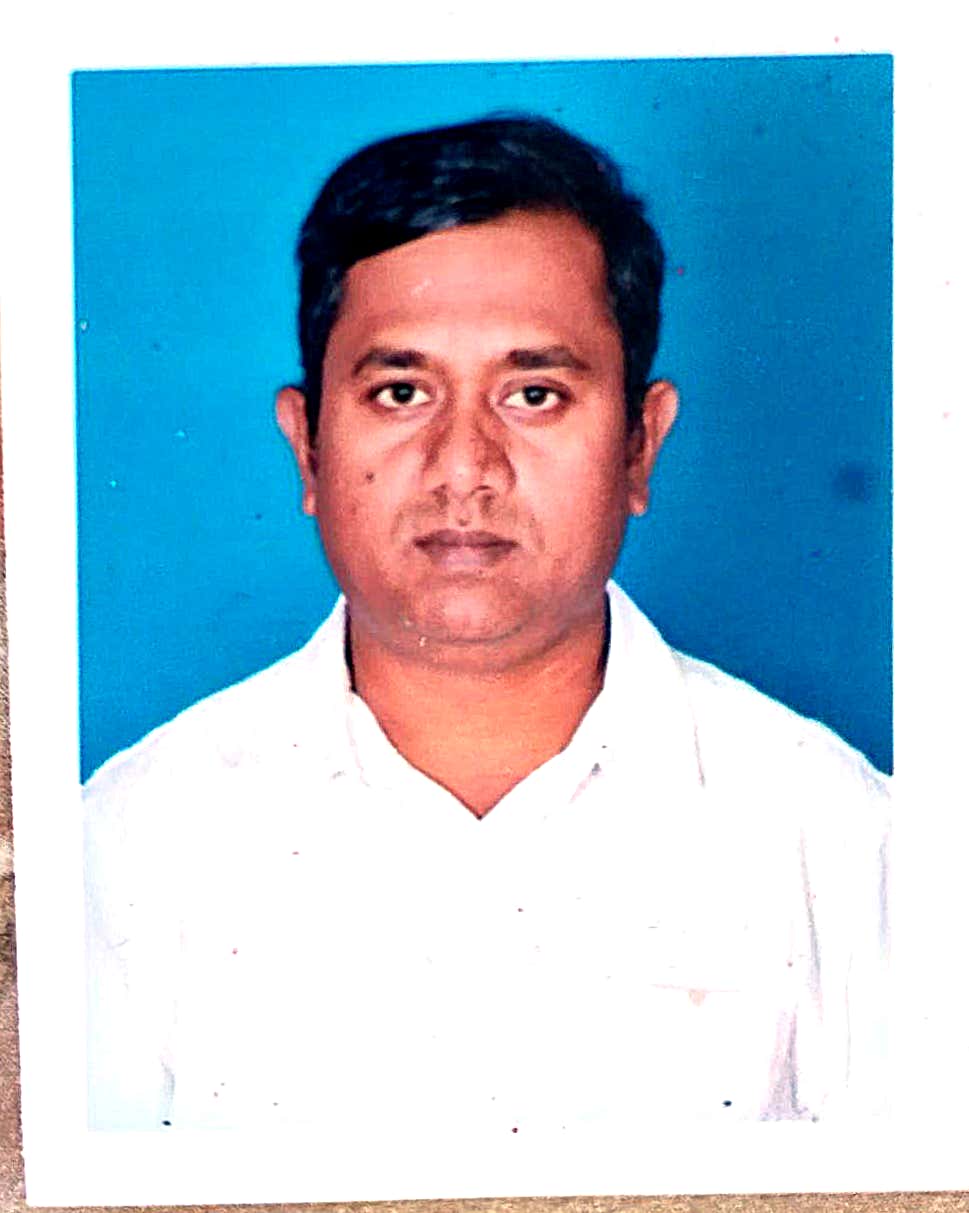
Dr. Rajashekar K Bagavati
Associate Professor & Head of Department
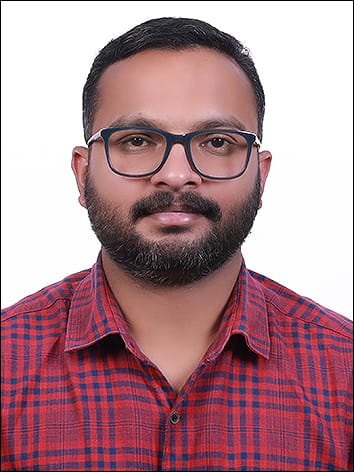
Dr. VISHNU K SUKUMARAN
Assistant Professor

Dr. Bharath V
Assistant Professor

Shreedhara N N
Assistant Professor/Sanskrit Lecturer
Rachana Shareera
Rachana Shareera mainly deals with understanding Human Anatomy. Anatomy is a branch of Medical Science that provides basic knowledge about the human body. It helps in clearing the fundamental concepts of the structural entity present in the human body.
Knowledge of the anatomical structure of the body forms the base of understanding how both structure and functions are modified. It includes the study of various systems like the nervous system, cardiovascular system, lymphatic system, urinary system, reproductive system, and more of our human body which function together to maintain the internal equilibrium and thus maintain health. Knowledge about the anatomy of these systems supports the examination of a patient, the formation of a diagnosis, surgical interventions and communication of these findings to the patient and with other medical professionals.
Shareera Rachana deals with the study of the human body right from its formation and even after its cessation of activities. The subject Rachana Shareera is further classified into many headings like Garbha Shareera (Human Embryology and genetics), Role of Pancha-Mahabhuta on the human body, Marma shareera (Vital points of the human body), Koshthangas and Srothas (the various organ systems), Indriya Shareera (sensory organs), Pramana Shareera (Anthropometry), etc. Knowledge of Shareera Rachana is essential for a better understanding of the principles of Chikitsa.
The department of Rachana Sharir makes sure that the students are well versed in the theoretical and practical aspects of Shareera Rachana as well. The students are taught in an Audio-visual room with modern software applications on Human anatomy and presentations.
A vast spacious, properly ventilated Dissection hall that can accommodate 60 students at once, where the students are taught and perform dissection on the real human cadavers. This will further enhance their knowledge of the human body.
- Sanskrit is the key to Ayurveda to understand the aim and theme of Ayurveda, preserved in ancient texts, students should have a good command in Sanskrit language. So it is included in the First year of BAMS.
- Padartha Vijnan is the radical part of the Ayurveda which incorporates the Indian philosophy and the elementary parts of its knowledge.
- Ayurveda is a system of medicine with historical roots in the Indian Subcontinent. So a study of the history of Ayurveda reveals its past and the present level of development.
- Ashtanga Hridayam Soothrasthanam deals with the principles of Ayurveda explained in a more easy and understandable method for three intellectual classes of student.
- Charaka Samhitha is a text of excellence in treatment. Fundamentals of Ayurveda, its approach to life and disease has essentially to take resort to the study of this text.
Faculty:
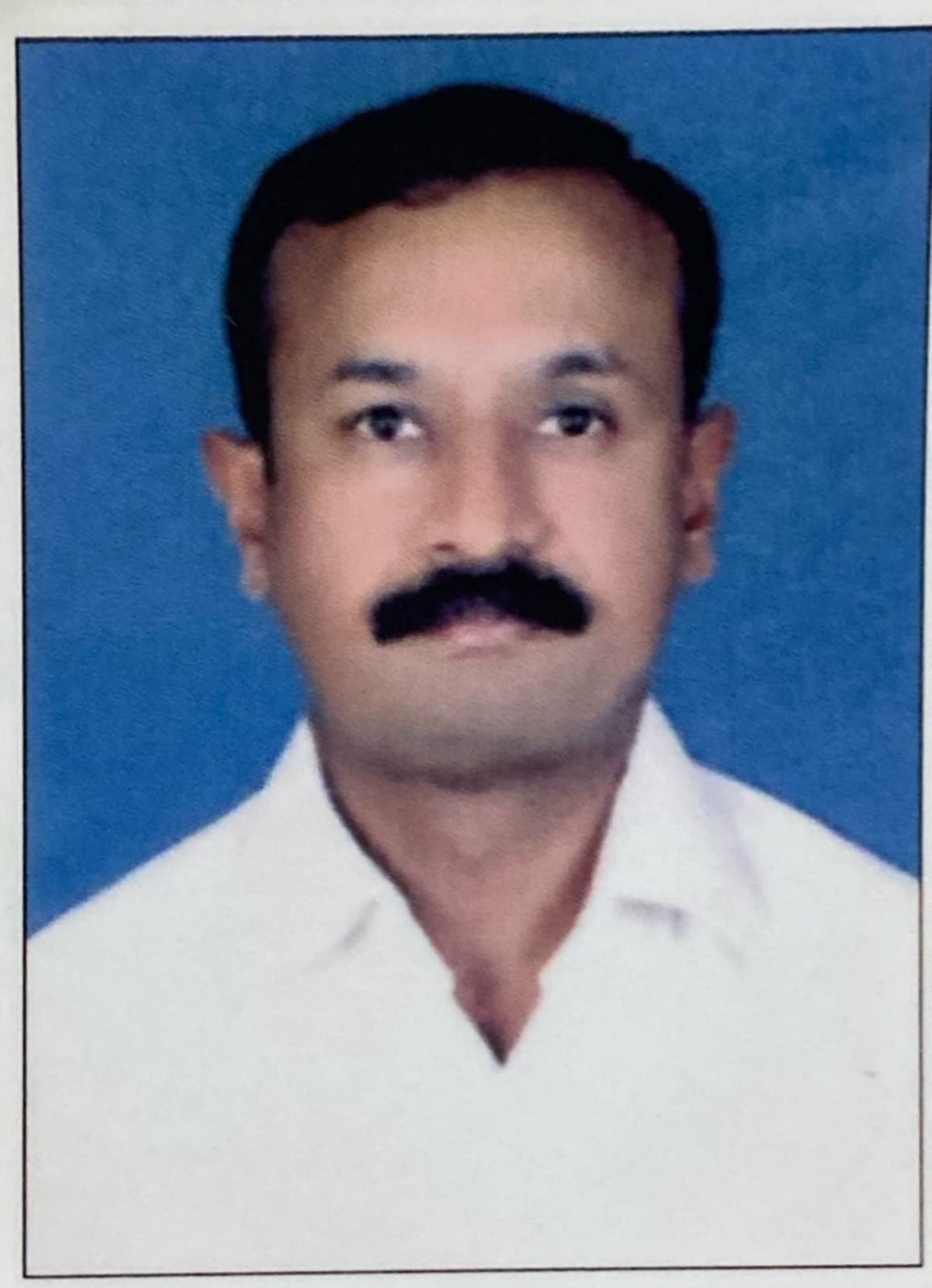
Dr. Shelly Divyadarshan
Associate Professor & HoD
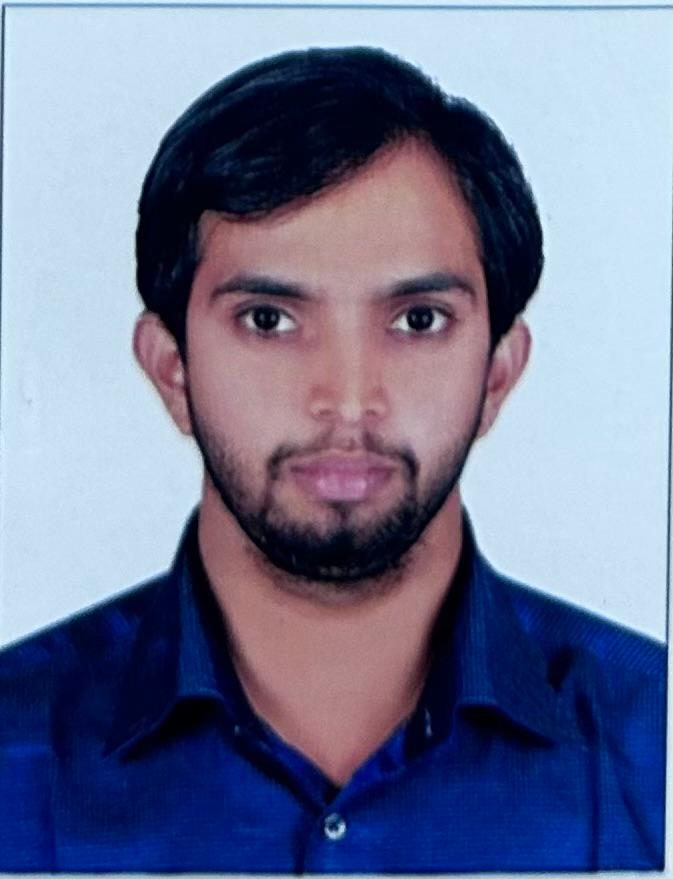
Dr.Kishor Kumar Shetty
Assistant Professor
Shareera Kriya
Shareera Kriya is the specialty of Ayurveda which deals with the study of the normal functioning of the body and mind.
This department deals with complete knowledge of the functioning of the body in Ayurveda and modern context. Human physiology is essential to understanding the body mechanism which will be helpful to be aware of the pathological conditions in the diseased state. The underlying goal is to explain the fundamental mechanisms that operate in a living human body and how they interact.
Department provides thorough knowledge of Ayurvedic fundamental principles to students along with modern aspects. This subject, therefore, is the base for proper understanding of Ayurveda. This subject is of great importance for a medical student to understand all other para-clinical and clinical subjects. Proper knowledge of normality is very much important for the assessment of abnormality and later for the selection of the right treatment.
The department of Shareera Kriya aims at providing deep insights into the study of the human body and human life. It helps nurture the thinking of students to utilize the concepts of Shareera Kriya in curative and preventive aspects of Ayurveda and to apply the knowledge of Shareera Kriya in a better lifestyle and health management.
The department has a well-established museum and laboratory with modern types of equipment for a better understanding of the subject. The lab is maintained and supervised by qualified lab technicians.
The department is well-equipped with charts, specimens, models, and books for teaching and learning purposes, along with well-equipped laboratories to teach all Ayurvedic and modern practicals.
Faculty:

Dr. ARPITHA. P
Associate Professor & Head of Department

Dr. Preethishree M
Assistant Professor
Dravya Guna
Dravyaguna, an integral part of Ayurveda, is the science of understanding the medicinal properties of various substances, mainly herbs, and how they impact the human body.
What is Dravya Guna?
Dravyaguna comes from two Sanskrit words: "Dravya" (substance/medicinal drug) and "Guna" (properties/qualities).
It's a comprehensive study of natural substances, including plants, minerals, and animal-derived ingredients, used in Ayurvedic medicine.
This field provides the deep knowledge needed for identifying, classifying, and effectively using these substances according to Ayurvedic principles.
The core of Dravyaguna
Dravyaguna helps us understand the therapeutic effects of substances through these essential concepts:
Rasa (Taste): The six basic tastes (sweet, sour, salty, pungent, bitter, astringent) influence a substance's effect on the body.
Guna (Qualities): The inherent properties of a substance, such as heavy/light, hot/cold, oily/dry, determining its overall action.
Virya (Potency): The energetic effect of a substance, whether it's heating (Ushna) or cooling (Sheeta).
Vipaka (Post-digestive effect): The ultimate taste or effect a substance undergoes after digestion, further influencing the body's balance.
Prabhava (Specific Action): Unique, specific actions of a substance that can't be explained by its rasa, guna, or virya alone.
Karma (Therapeutic Action): The overall effect or therapeutic action a substance produces in the body, such as strengthening, detoxifying, or nourishing.
Why is Dravyaguna important?
Tailored Treatments: This knowledge allows Ayurvedic practitioners to personalize treatments, choosing the right herbs and combinations for an individual's constitution and health needs.
Effective Formulations: It ensures the creation of potent and beneficial Ayurvedic formulations based on a deep understanding of the ingredients' interactions.
Safe and Natural Healing: Dravyaguna guides the proper use of natural substances for promoting health and addressing ailments, emphasizing safe and sustainable practices.
In essence, Dravyaguna is the foundation of Ayurvedic pharmacology, allowing us to unlock the incredible healing power of nature's bountiful resources.
Faculty:
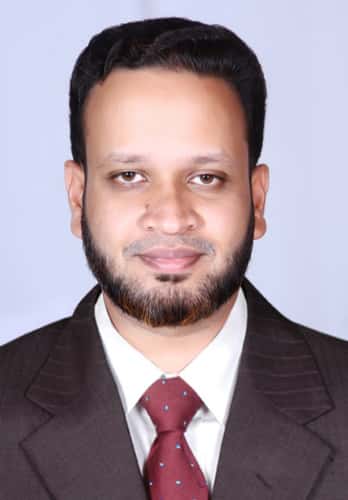
Dr. Tausif Ahmed
Assistant Professor
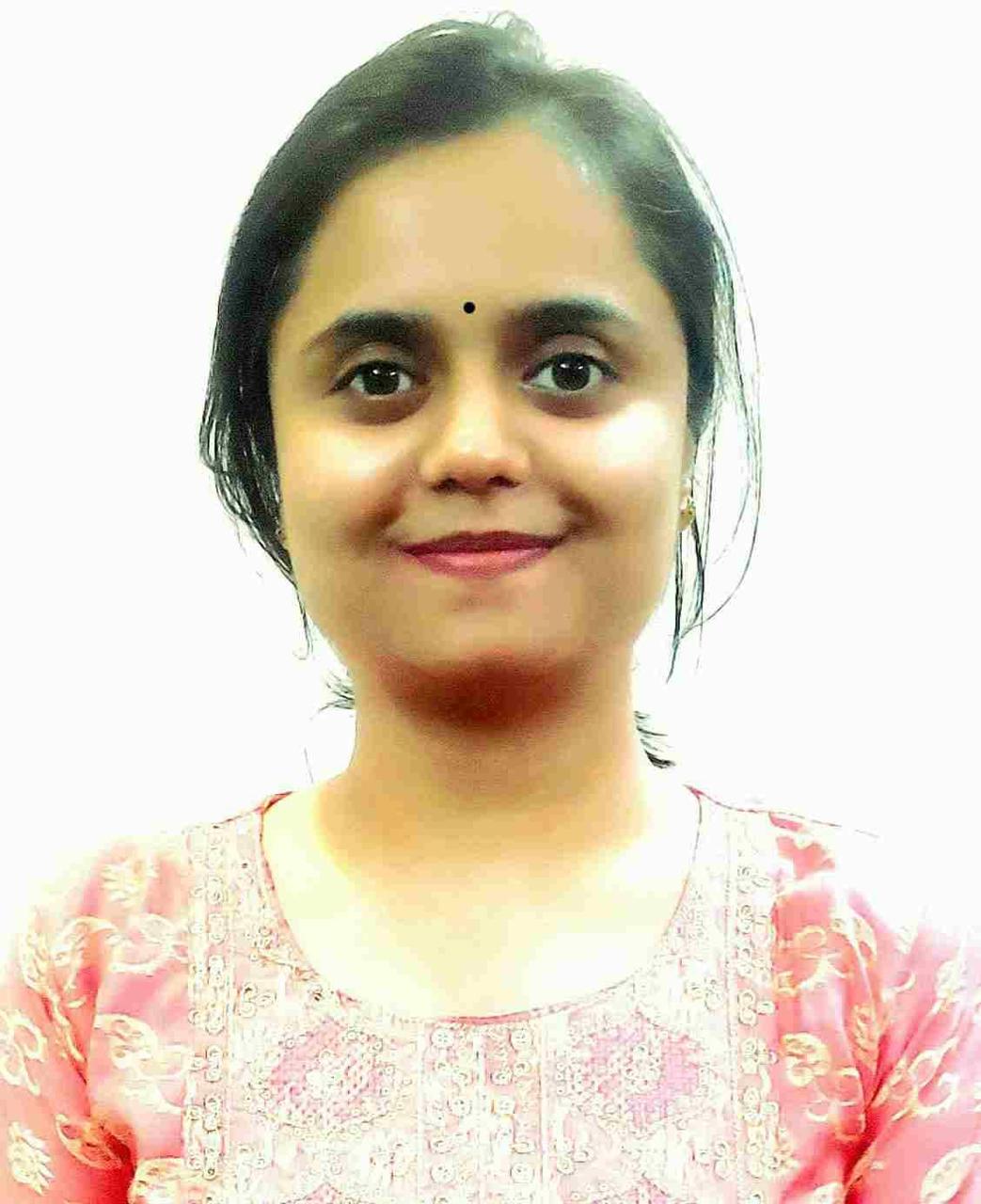
Dr.Sushmitha
Assistant Professor
Roga Nidana
Roga Nidana, a vital branch of Ayurveda, focuses on the detailed study of disease causation, manifestation, and diagnosis. This ancient science equips practitioners with the knowledge to understand illnesses at their root, leading to effective and personalized treatment approaches.
Understanding Roga Nidana
Roga (Disease): In Ayurveda, Roga signifies a state of disharmony or imbalance within the body and mind. It is the disruption of the natural equilibrium of Doshas (Vata, Pitta, Kapha), Dhātus (tissues), and Malas (waste products) that leads to disease.
Nidana (Etiology): Nidana focuses on the causative factors that trigger disease, encompassing:
Āhāraja (Dietary factors): Improper diet, irregular eating habits, and incompatible foods.
Vihāraja (Lifestyle factors): Sedentary lifestyles, excessive activity, and erratic sleep patterns.
Mānasa (Psychological factors): Stress, emotional imbalances, and negative thought patterns.
Āgantuja (External factors): Trauma, infections, environmental toxins, and seasonal changes.
Samprapti (Pathogenesis): This delves into the step-by-step process of disease progression, from the initial dosha derangement to the full manifestation of symptoms.
Faculty:

DR. N. V. KRISHNAMURTHY
Principal, Professor and Head Department of Roga Nidana
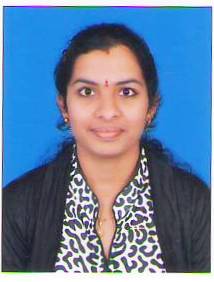
Dr. Rajani Kulkarni
Assistant Professor
Rasa Shastra Bhaishajya kalpana
Rasa Shastra and Bhaishajya Kalpana represent the unique and sophisticated pharmaceutical branch of Ayurveda. This discipline focuses on transforming raw medicinal substances into potent and effective Ayurvedic formulations, ensuring their safety and optimal therapeutic benefits.
Understanding the terms
Rasa Shastra: This segment deals with the intricate science of utilizing metals, minerals, gems, and certain toxic substances in medicine. These are not used in their raw form but undergo rigorous purification (Shodhana), detoxification, and processing techniques like incineration (Marana) to render them therapeutically beneficial and safe. Rasa Shastra allows for smaller dosages, potentially quicker actions, and longer shelf life for the medicines. The great Buddhist Sage Nagarjuna is often considered the Father of Rasashastra.
Bhaishajya Kalpana: This aspect focuses on the art and science of preparing herbal and herbo-mineral medicines using various pharmaceutical procedures. It involves formulating according to Institute of Teaching and Research in Ayurveda different dosage forms like:
Swarasa (Fresh juice): Extracting the juice of fresh herbs.
Kashaya (Decoction): Boiling herbs in water to extract their medicinal properties.
Churna (Powder): Grinding herbs into fine powders.
Vati/Guti (Pills/Tablets): Forming pills from herbal pastes.
Asava-Arishta (Fermented formulations): Preparing medicines through fermentation.
Avaleha (Linctus/Jam-like preparations): Semi-solid preparations with herbal extracts.
Ghrita & Taila (Medicated Ghee and Oil): Infusing herbs into ghee or oil bases.
Faculty:

Dr.Shilpa.S.N
Associate Professor
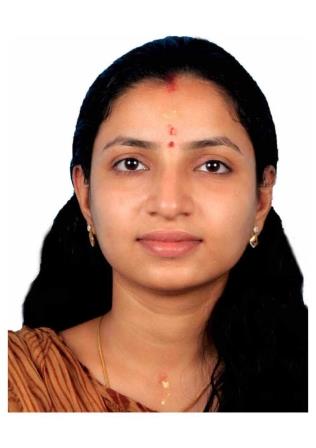
Dr. vani Gayathri P A
Assistant Professor
Agada tantra department
The Department of Agada Tantra Evam Vidhi Vaidyaka is a branch dedicated to the study and advancement of Ayurvedic toxicology, environmental toxins, forensic medicine, and medico-legal studies. The department trains students in identifying and managing poisons from plant, animal, mineral, and artificial sources, along with their antidotes and preventive measures.
Our curriculum integrates:
. Ayurvedic toxicology (Sthavara, Jangama, Garavisha)
. Clinical management of venomous bites and poisoning
. Forensic medicine and medico-legal documentation
. Practical exposure to toxicological specimens and museum-based learning
. Research in toxicology and safety science.
The department is committed to developing skilled Ayurvedic physicians equipped with deep classical knowledge, strong clinical skills, and modern medico-legal competency. Through academic excellence, practical demonstrations, toxicology museum resources, and collaborative learning, the department contributes significantly to public health and medico-legal education.
Faculty:

Dr. SUpriya S
Associate Professor and Head of Department of Agada Tantra
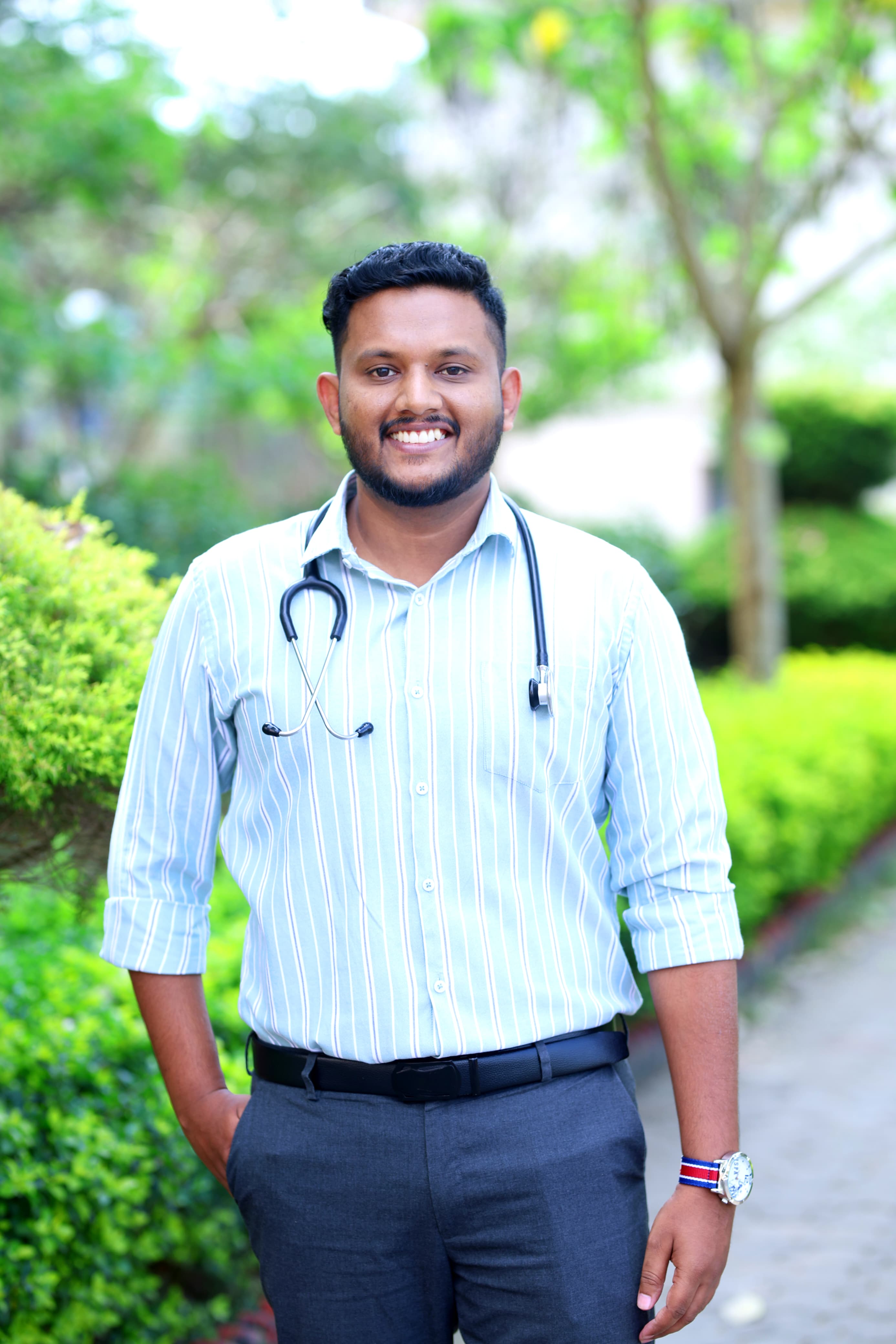
Dr.Akbersha.A
Assistant Professor
Swasthavritta
The Department of Swasthavritta is dedicated to the systematic study and propagation of preventive medicine, public health, and lifestyle management as delineated in classical Ayurvedic literature. The discipline emphasizes the preservation and promotion of health through well-structured regimens, including Dinacharya, Ritucharya, Sadvritta, seasonal and dietary guidelines, and the integration of yogic practices.
The department upholds a rigorous academic framework that encompasses community health, epidemiology, environmental hygiene, and national health programs, thereby establishing a comprehensive understanding of both traditional Ayurvedic principles and contemporary public health methodologies. Through classroom instruction, practical demonstrations, field training, and community-oriented health initiatives, the department equips students with the competencies required for effective preventive and promotive healthcare.
With its holistic and evidence-aligned approach, the Department of Swasthavritta contributes significantly to nurturing competent Ayurvedic practitioners capable of advancing community well-being and fostering sustainable health practices.
Faculty:
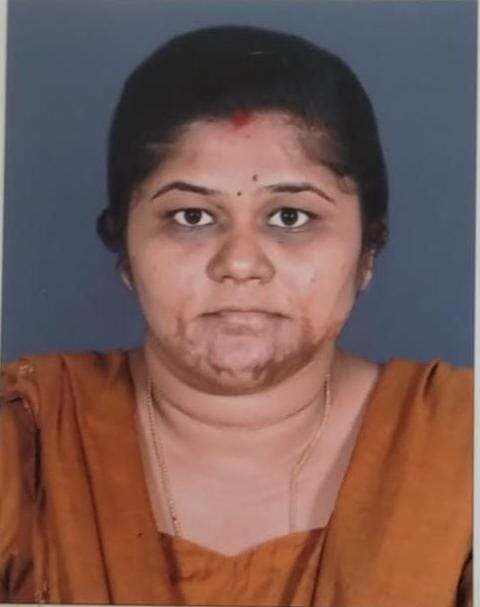
Dr Pallavi S Kumar
Professor

Dr Yasmin B A
Assistant professor
MIAMSH - Copyright 2025. Designed & Maintained by RunShaw Technologies